Chocolate, Love and Talent
Once upon a time, there was a visionary young woman who rewrote the rules of business at a time when no women held any leadership roles in Italy.
It all began in Perugia, in the early years of the twentieth century.
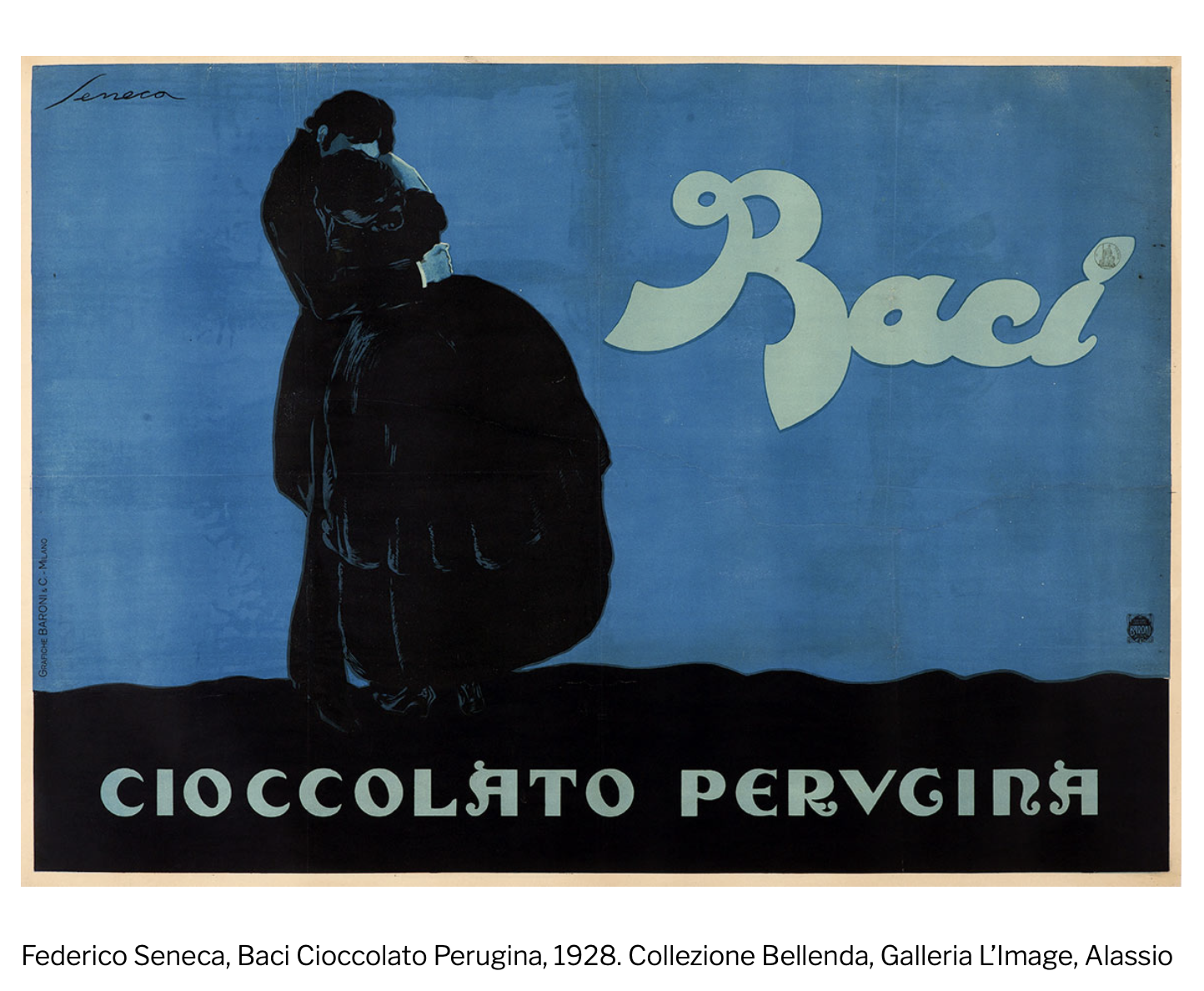
Almost everyone knows Baci Perugina, the small chocolate born in Perugia in 1922 that went on to become a worldwide symbol of romance and today a jewel in the Nestlé's family. Many also know the fashion brand Luisa Spagnoli, with over 200 boutiques in the world. Both owe their existence to the vision of the same extraordinary woman.
Her name was Luisa Spagnoli, born in Perugia in 1877 - when Italy was a kingdom - and she built two enduring legacies before her death in 1935, at just fifty-seven years old.
Let's start from the beginning.
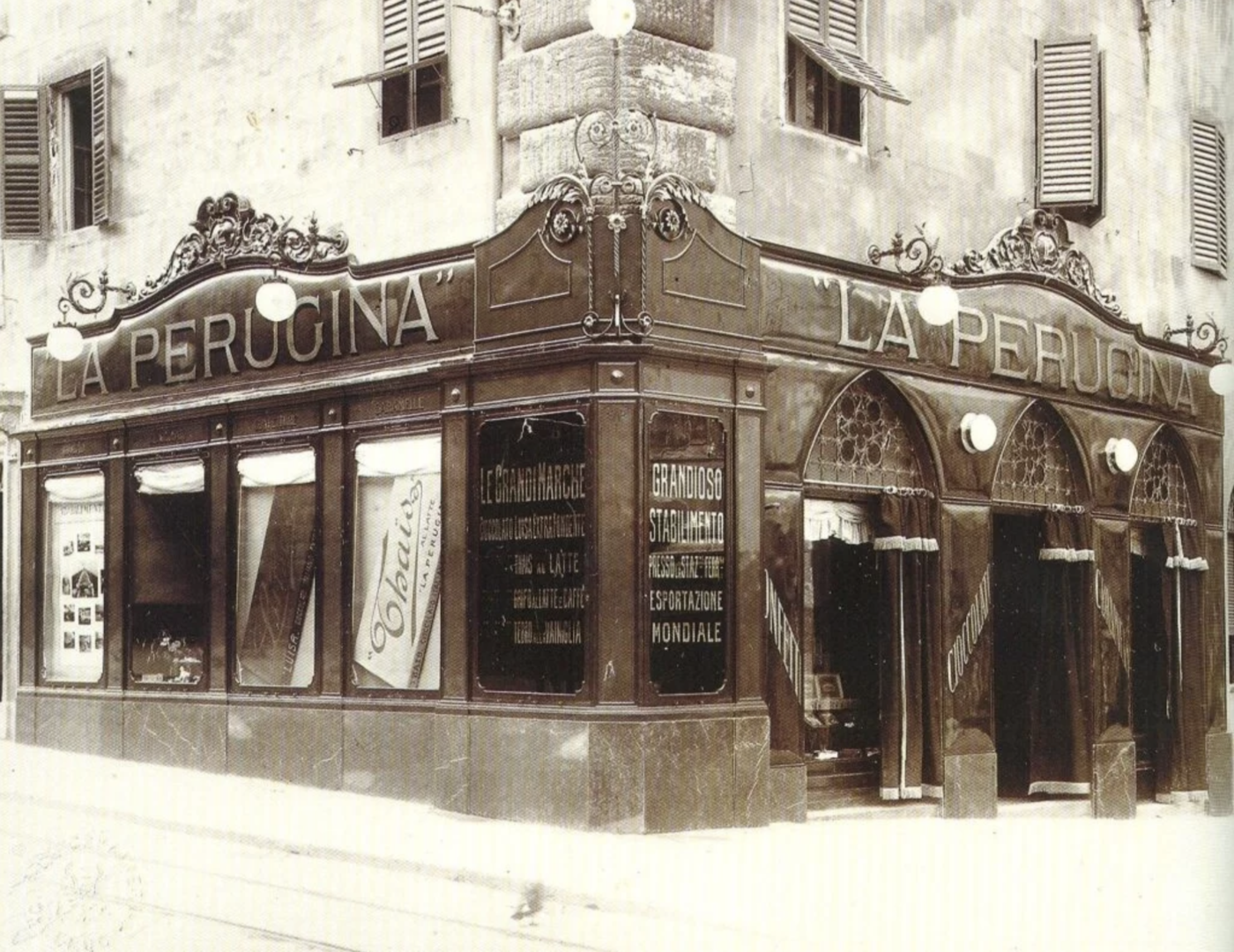
Born to a humble fishmonger father and a homemaker mother, Luisa Sargentini married Annibale Spagnoli at the age of 21. He was a musician with an open and supportive spirit who recognized his wife's extraordinary business talent. In 1901, he embraced her idea of taking over a small artisanal confectionery workshop in the heart of Perugia.
Luisa poured herself into the project and, six years later, needing fresh capital to keep the business growing, secured financial support from Francesco Buitoni, owner of the well-established pasta company that was looking to expand into the confectionery sector. Thus, Perugina was born.
Soon Francesco asked his son Giovanni to review the accounts of the small but highly regarded workshop. The numbers were far from encouraging, so Giovanni devised a rescue plan, raising capital from local entrepreneurs. At a time when Italy's confectionery industry was still in its infancy, Perugina had the potential of become a leading chocolate company. Giovanni met Luisa and they were immediately drawn to one another. But the First World War broke out and Giovanni was drafted, while Perugina managed to survive and even maintain its important position in the industry.
After the war, cocoa was scarce and everything was expensive. Luisa noticed that the chopped hazelnuts left over from some chocolate production were being discarded. The eyes of a woman who knew hardship firsthand transformed scraps into a symbol. She blended the small fragments of chopped hazelnuts into a creamy chocolate filling and crowned each piece with a whole hazelnut.
She called this new creation Cazzotto—"Punch"—because its shape resembled a clenched fist. Giovanni Buitoni loved the chocolate but not its name, pointing out that no one would ever say to someone they loved, "Would you like a punch?" The name was quickly changed to Bacio—"Kiss"—and the rest is history.
Giovanni was fourteen years younger than Luisa, and the two eventually fell in love. The famous little love notes hidden inside every Bacio are said to have been inspired by the affectionate messages the couple exchanged during their relationship. Those private words of love eventually became the printed cartigli that millions of people around the world still unfold today before taking their first bite.
But chocolate was only the first chapter for Luisa.
In the Twenties, Luisa turned also her attention to another innovation. She heard about a French trend of using hair of rabbits and began breeding Angora rabbits and developed a remarkably gentle method of collecting their wool by carefully combing the animals rather than harming them—an approach decades ahead of its time, long before ethical production became part of public conversation.
That idea gave birth to the Spagnoli Angora collection, celebrated for knitwear of extraordinary softness. The factory in the outskirt of Perugia eventually evolved into the fashion house that still bears her name today.
At a time when women rarely managed large companies, Luisa directed factories, created employment opportunities for women, and introduced progressive workplace policies, including childcare support for working mothers inside of the factory. She wasn't simply building successful businesses; she was helping build economic opportunity and a more modern vision of work.
In many ways, she became one of the women who helped shape Italy's emerging industrial identity during a period of recovery and transformation.
Her work strengthened Umbria's economy while contributing to Italy's growing reputation for craftsmanship, creativity, and innovation.
Even while battling the throat cancer that would eventually claim her life, Luisa continued to lead her companies. Giovanni wanted her to have the opinion of doctors in Paris and even during the treatments and the back and forth with France she never stepped away from her work. Her determination was as remarkable as her imagination.
Luisa Spagnoli died in 1935, but her legacy lives on through two very different worlds: confectionery and fashion. Few entrepreneurs can claim to have transformed both what Italy tastes like and what Italy wears.
So the next time you unwrap a Bacio, remember that you're holding much more than a piece of chocolate. You're holding the legacy of one of Italy's most extraordinary women—a pioneer who saw possibility where others saw waste, who transformed simple ingredients into an icon, and who proved that imagination, courage, and passion can create something that endures for generations.
Cheers to Luisa, a pioneer who turned scraps into symbols, and vision into national pride.